

How to Choose the Right Office Chair for Your Body
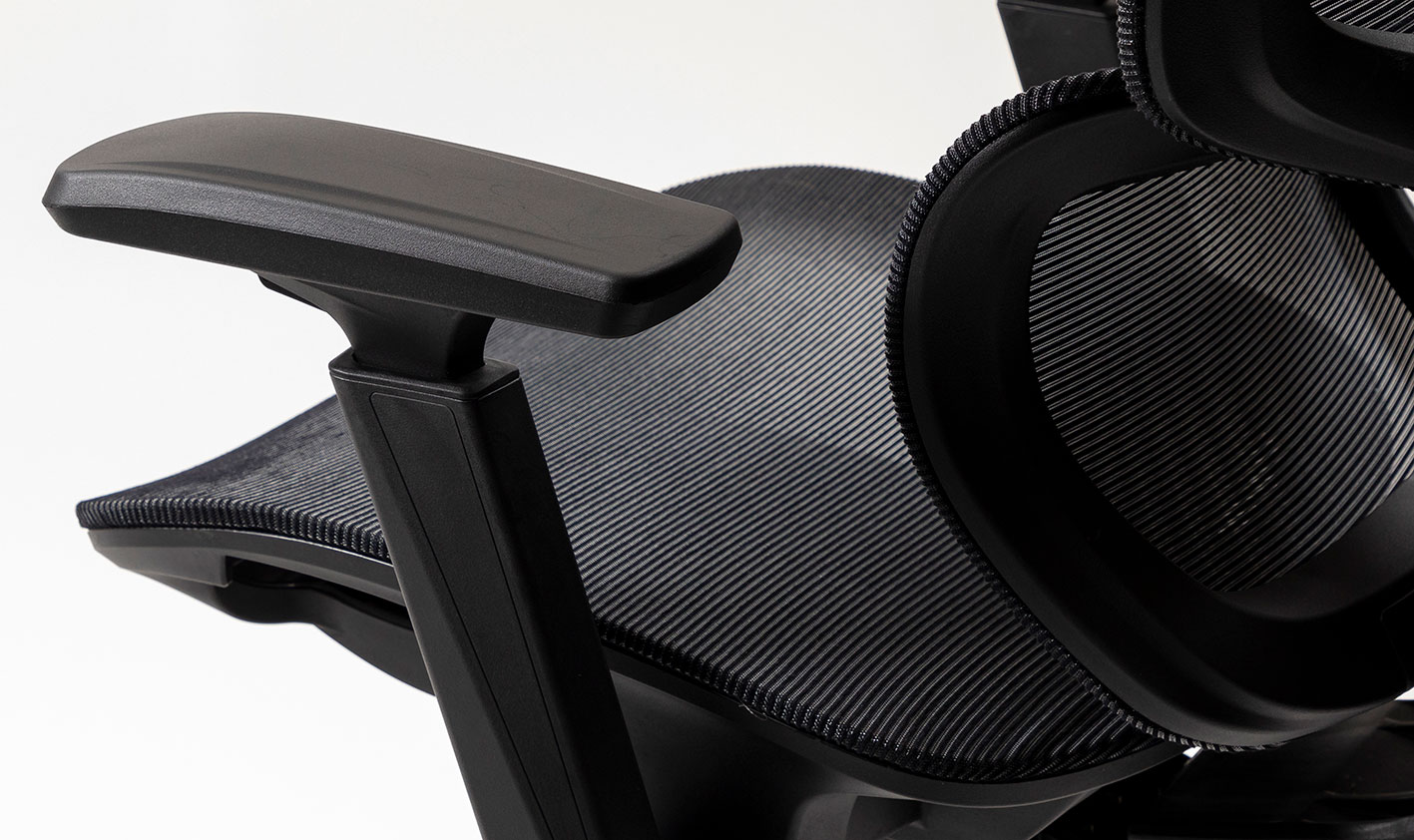
If you’ve ever bought an office chair based on how it looked in a photo and then spent the next three months slowly losing the will to live every time you sat down, this one’s for you.
Choosing the right office chair isn’t complicated. But most buying guides make it feel like a university assignment. We’re going to skip the fluff and just tell you what actually matters.
It Starts With How Long You Actually Sit
This is the question nobody asks first but should.
Are you sitting for two hours a day doing admin? Or are you planted in that chair eight to ten hours a day running a business? Those are completely different chairs.
Light use: You’ve got a lot of options. A solid, well-built chair at a reasonable price will do the job comfortably.
Heavy use: You need to think harder about lumbar support, seat foam density, and adjustability. A cheap chair that isn’t built for long days will let you know about it. Usually through your lower back.
Get the Height Right First
Everything else is secondary if the height is wrong.
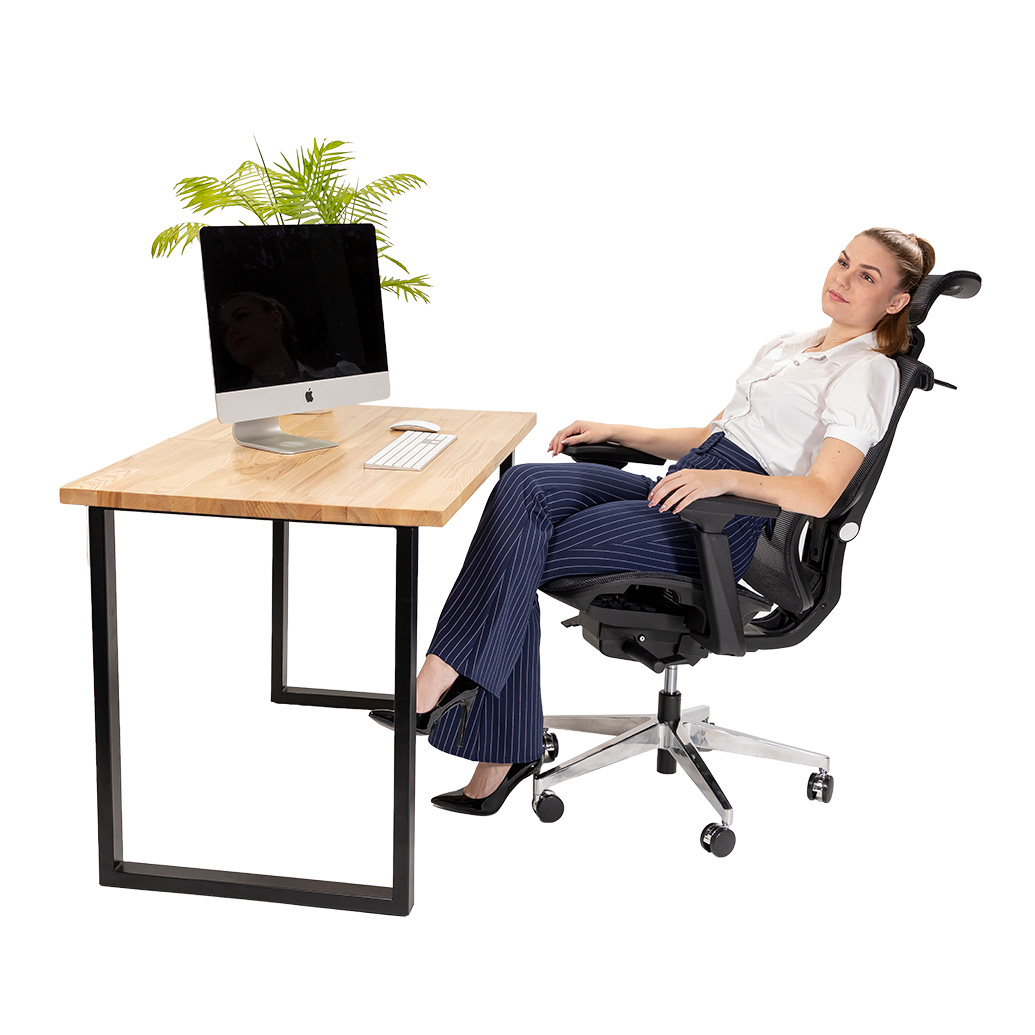
Your feet should sit flat on the floor.
Your knees should be roughly level with your hips, maybe a touch lower.
If your chair doesn’t get low enough and you’re sitting with your legs dangling, or it doesn’t get high enough and your knees are up around your chin, move on.
No amount of lumbar padding fixes bad height.
Most decent chairs adjust between about 42cm and 52cm seat height. If you’re on the taller or shorter end of the spectrum, check that number before you buy. It’s usually buried in the spec sheet.
We put it front and centre because it actually matters.
Lumbar Support
You’ll see “lumbar support” written on just about every office chair on the market. Roughly half of them mean it. The other half have stuck a slightly firmer bit of foam somewhere in the backrest and called it a day.
Real lumbar support follows the natural curve of your lower spine. It sits in the right spot, roughly the small of your back, and gently pushes forward to stop you slumping. If you have to consciously remind yourself to use it, it’s probably not in the right position.
Armrests: Yes or No?
Genuinely depends on how you work.
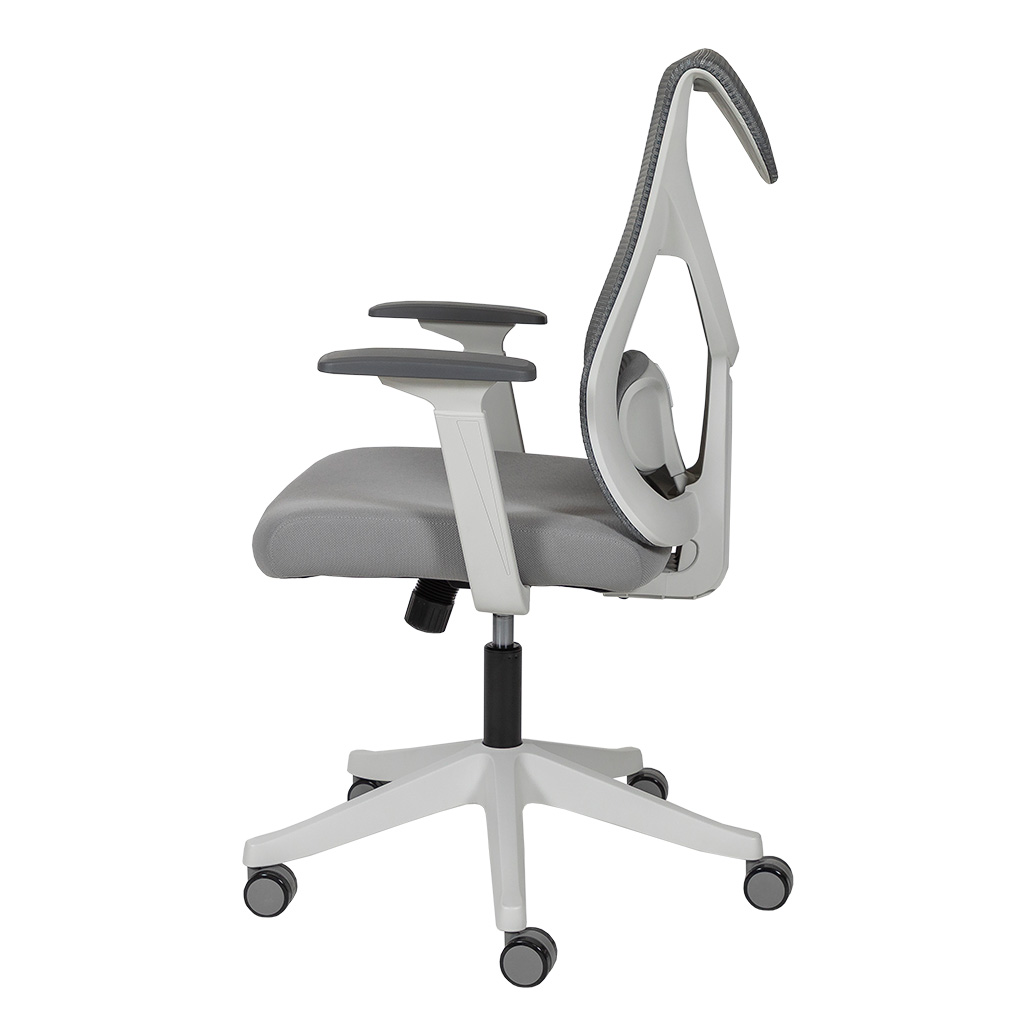
If you’re typing most of the day, adjustable armrests that sit just below elbow height take a surprising amount of strain off your shoulders and neck. Most people don’t realise how much tension they’re carrying up there until it goes away.
If you’re moving around a lot, leaning forward, jumping between tasks, fixed armrests can actually get in the way. Some people just remove them entirely.
Make sure they adjust, or make sure the fixed height actually works for you before you buy.
Seat Depth and Width — The Bit Everyone Ignores
Seat depth matters more than most people think. You should be able to sit back fully against the backrest and still have two or three fingers of space between the front edge of the seat and the back of your knees.
Too short and you lose thigh support.
Too deep and it cuts into the back of your knees and you end up perching on the front edge anyway.
Width is simpler. You just need enough room to sit comfortably without feeling squeezed.
If you’re broader in the hips or shoulders, check the seat width. Standard is usually around 48 to 52cm. Some chairs go wider.
Mesh or Foam? Honest Answer.
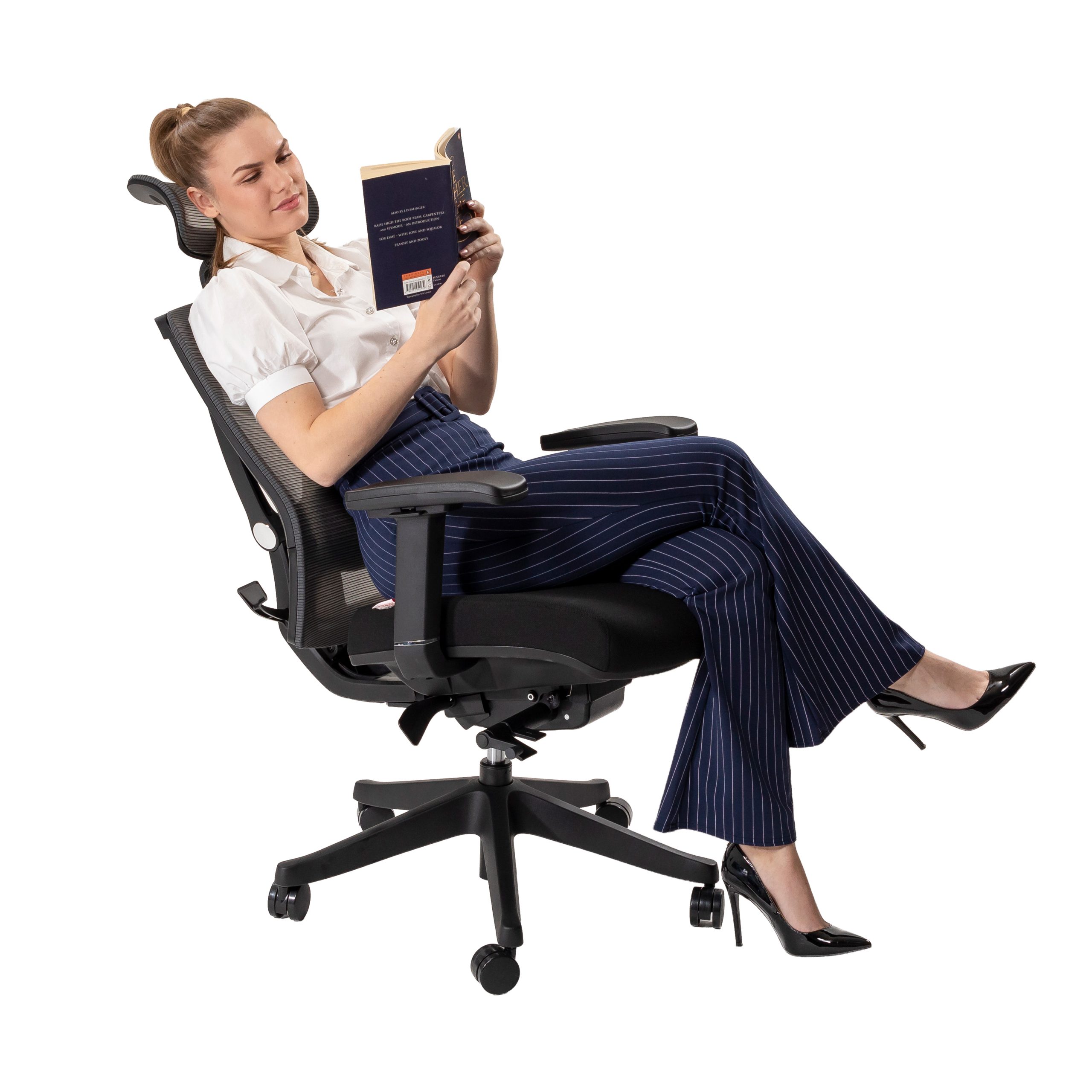
Mesh backs look great. They breathe well in warm weather. Australia summers make a strong case for them. But mesh isn’t automatically better. Cheap mesh sags over time and stops providing proper support.
Good quality foam, on the other hand, holds its shape for years and gives consistent support across the whole back — not just where the mesh happens to tension.
The honest answer is that material quality matters more than material type.
A well-made foam chair beats a poorly-made mesh chair every day of the week.
Don’t let the aesthetics make the decision for you.
Weight Rating
Every chair has a weight rating. Most people ignore it.
If you’re buying for a team, this matters a lot. A chair rated to 100kg used daily by someone over that limit won’t last. The frame fatigues, the gas lift fails early, the whole thing just wears out faster than it should.
Check the rating. Buy accordingly. It’s not a complicated step and it saves you replacing chairs way sooner than you planned.
So Where Does Jetson Fit In?
We built the Jetson range for people who want a proper office chair:
- Adjustable height
- Real lumbar support (some are adjustable!)
- Armrests (fixed or adjustable available)
- Honest weight ratings
Plus without paying for a brand name and a fancy showroom.
We don’t do marble foyers. We do good chairs at prices that make sense.
If you’ve read through this and ticked off what you need, have a look at the Jetson range and see if it fits the brief. And if you’re not sure, just give us a ring. We’re pretty easy to talk to.
